 how-to
How to Remove Black Roof Streaks Safely (2026 Guide)
Table of Contents
- What Causes Black Roof Streaks and Are They Harmful?
- Is Pressure Washing Bad for Shingles? The Risks Explained
- How to Remove Black Roof Streaks: Step-by-Step Soft Wash Method
- Soft Wash Roof Cleaning Benefits Over DIY Methods
- How to Prevent Roof Algae Growth and Keep Streaks Away
- Cost of Professional Roof Cleaning vs. DIY: What to Consider
- Common Mistakes to Avoid When Cleaning Your Roof
- Conclusion: Protect Your Roof and Your Warranty
- Frequently Asked Questions
Last Updated: September 7, 2026
Black roof streaks are not just an eyesore; they are a sign of organic growth that can compromise your home's exterior over time. Learning how to remove black roof streaks safely is essential for maintaining both curb appeal and the structural integrity of your asphalt shingles.
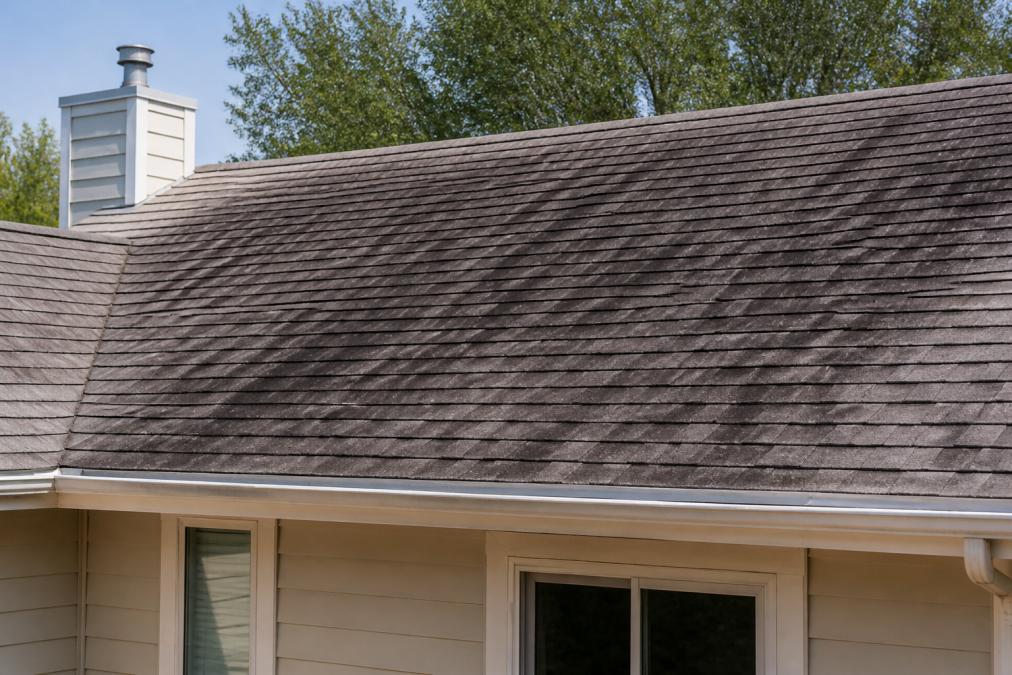
The streaks you see are almost always a type of algae known as Gloeocapsa magma, which thrives in humid, warm climates. While these dark stains are primarily a cosmetic issue initially, they can lead to premature aging of your roof if left untreated.
What Causes Black Roof Streaks and Are They Harmful?
Black roof streaks are typically caused by Gloeocapsa magma, a blue-green algae that feeds on the limestone filler in asphalt shingles. As the algae colonies grow, they trap moisture and dirt, creating the dark, unsightly stains that run down your roof deck.
While the algae itself does not eat through the shingle, the trapped moisture it holds accelerates the degradation of the granules, causing shingles to curl, crack, and lose their protective surface. Many homeowners mistake these streaks for soot or mold, but algae streaks typically run vertically down the slope as water carries the organisms. If you notice moss or lichen, you are dealing with a different organism that requires a more aggressive removal strategy.
Is Pressure Washing Bad for Shingles? The Risks Explained
Yes, traditional pressure washing is bad for asphalt shingles and is a leading cause of premature roof failure. The high-pressure water forces granules off the shingle surface, accelerating wear and significantly reducing the roof's lifespan.
Most DIYers treat a roof like a concrete driveway. Standard pressure washing equipment can easily exceed the safe PSI limit for asphalt, stripping away the protective granules that shield the matting from UV rays, leaving shingles brittle and vulnerable to cracking (asphaltroofing.org). Spraying water upward at high velocity can also force moisture underneath the shingles, compromising the waterproofing seal and leading to rot in the decking below. This is why the industry standard is soft washing, a low-pressure technique that relies on cleaning solution rather than brute force.
How to Remove Black Roof Streaks: Step-by-Step Soft Wash Method
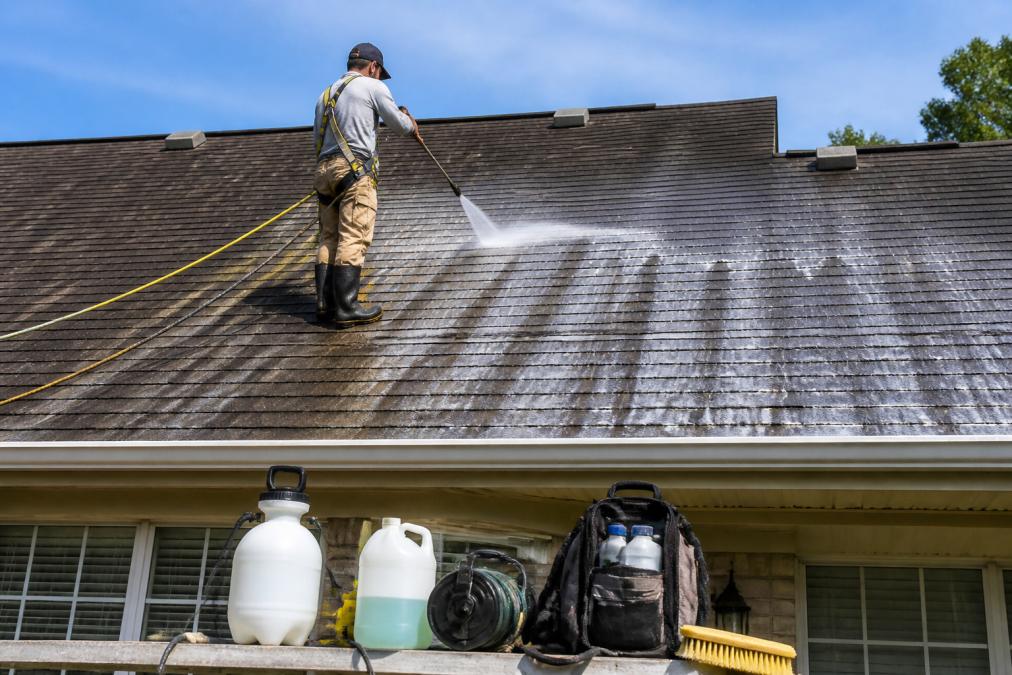
The safest way to remove black roof streaks is through soft washing, a method that uses low-pressure application of a specialized biocide to kill the algae at the root. This process cleans the surface without damaging the shingle granules or voiding your warranty. The goal is to kill the organism, not just blast the stain away.
Supplies and Safety Gear You'll Need
Before you begin, gather the correct supplies. Using the wrong equipment is where most DIY attempts fail, leading to injury or roof damage.
- Safety Gear: A roof safety harness anchored to the peak, non-slip shoes, and protective gear including goggles and gloves.
- Cleaning Solution: A mix of sodium hypochlorite (household bleach), water, and a surfactant to help the solution cling to the shingles.
- Equipment: A low-pressure sprayer (12-volt pump or garden sprayer) and a garden hose with a rinse nozzle.
- Zinc Strips: For preventative treatment after cleaning.
Applying the Cleaning Solution and Rinsing
Start by wetting any surrounding landscaping and plants with water to dilute any chemical runoff. Apply the cleaning solution to the roof using the low-pressure sprayer, working from the bottom edge upward to avoid streaking. Allow the solution to sit for 10 to 15 minutes to break down the algae, but do not let it dry on the shingles.
Once the dwell time is complete, rinse the roof thoroughly with a standard garden hose using low pressure. Start from the top and work your way down, ensuring all biocide and dead algae are washed away. Never use a pressure washer to rinse, as this reintroduces the risk of granule loss. The black streaks should fade as the algae is neutralized and rinsed away.
Soft Wash Roof Cleaning Benefits Over DIY Methods
The primary soft wash roof cleaning benefit is the preservation of your shingle integrity, ensuring the manufacturer's warranty remains valid. Unlike high-pressure washing, soft washing cleans the roof without voiding the material's protective qualities.
DIY methods often fail because homeowners lack the specialized equipment to mix chemicals safely and apply them at the correct dilution rate. A solution that is too strong can damage flashing and gutters, while one that is too weak fails to kill the algae roots, leading to a return of the streaks within months. Professional soft washing ensures the correct chemical balance and low-pressure application, providing a deeper clean that extends the time between cleanings.
How to Prevent Roof Algae Growth and Keep Streaks Away
Preventing roof algae growth requires reducing the moisture and food source that Gloeocapsa magma thrives on. Installing zinc or copper flashing strips near the roof peak is one of the most effective long-term solutions, as rain washes trace amounts of the metal ions down the roof, creating a biocide barrier (gaco.com).
Regular roof maintenance is equally important. Keep gutters clean to prevent water backup, and trim overhanging branches to increase sunlight exposure, which naturally inhibits algae growth. Many homeowners also schedule a soft wash every two to three years as a preventative treatment rather than waiting for heavy discoloration. If you are in the process of removing black roof streaks, treating the entire roof surface, rather than just the stained areas, is critical to prevent the algae from quickly recolonizing the cleaned spots.
Cost of Professional Roof Cleaning vs. DIY: What to Consider
The cost of professional roof cleaning is often offset by the potential savings on roof replacement and the avoidance of DIY injuries. While a DIY approach might seem cheaper upfront, the hidden costs of purchasing chemicals, renting safety equipment, and the high risk of damaging your shingles can add up quickly.
Professional services factor in liability insurance, safety harnesses, and commercial-grade soft wash systems that are not accessible to the average homeowner. When comparing quotes, look for a provider that specifically mentions soft washing and warranty protection. A2Z Wash Pros provides free quotes and uses low-pressure techniques to ensure your roof is cleaned safely. If you are weighing the risks of climbing on a steep roof pitch versus hiring a professional, consider that a single misstep on a ladder or roof can result in medical bills that far exceed the cost of any cleaning service.
The Real Price Tag: A Detailed Breakdown
To make an informed decision, you need a clearer picture of the actual costs involved. A DIY approach isn't free. Here’s a realistic breakdown of what you'll likely spend:
- DIY Chemical Costs: A gallon of sodium hypochlorite (pool chlorine) costs around $5 to $10. You'll also need a surfactant (like dish soap) and possibly a specialized roof cleaning concentrate, which can run $20 to $40 per gallon. For a typical 2,000-square-foot roof, you'll likely need 2-3 gallons of concentrate, putting your chemical costs at $50 to $100.
- DIY Equipment Costs: A basic garden sprayer costs $15 to $30, but for a whole roof, a 12-volt pump sprayer is more effective and costs between $100 and $200. You'll also need a safety harness, which can be rented for $50 to $75 per day or purchased for $150 to $300.
- DIY Time and Risk: Your time is valuable. A DIY roof cleaning can take a full weekend. More importantly, the risk of personal injury is high. A trip to the emergency room for a fall can cost thousands of dollars, not to mention the potential for permanent disability.
In contrast, professional roof cleaning services factor in professional-grade chemicals, equipment, safety gear, and liability insurance. They also include the expertise to do the job correctly the first time. Contact us for a free quote.
The Hidden Financial Risk of DIY: Voiding Your Warranty
The most significant hidden cost of a DIY approach isn't the equipment or chemicals, it's the potential to void your roof's warranty. A new asphalt shingle roof can cost $10,000 to $20,000 or more (angi.com). If your DIY cleaning method damages the shingles and voids the warranty, you could be on the hook for the full cost of a premature replacement. Professional soft washing companies use methods designed to preserve your warranty, offering peace of mind that is often worth the extra cost.
Common Mistakes to Avoid When Cleaning Your Roof
The most common mistake is using a pressure washer on asphalt shingles, which causes immediate granule loss and long-term shingle damage. This is the fastest way to reduce the lifespan of your roof and is a primary reason why manufacturer warranties are voided.
Another frequent error involves safety. Cleaning a roof without a proper safety harness or attempting to walk on a wet, steep pitch is extremely dangerous. Many DIYers also fail to consider chemical runoff; using harsh solutions without wetting the landscaping below can kill shrubs and grass. Finally, do not cut corners on the rinse cycle, leaving sodium hypochlorite residue on the roof can corrode metal flashing and fasteners over time.
The Warranty Trap: How DIY Cleaning Can Void Your Coverage
Most homeowners don't realize that their roof warranty has specific clauses about chemical cleaning. A common pattern across major shingle manufacturers is a requirement that any cleaning method use only low-pressure washing with approved solutions. Using a pressure washer, applying bleach concentrations above a certain threshold, or adding certain chemicals can be grounds for voiding the warranty on the affected shingles. This means a DIY attempt to save money could result in a denied claim if a leak or shingle failure occurs later. Before starting any cleaning, check the fine print of your shingle warranty or contact the manufacturer directly to confirm your method is compliant. This is a critical step that is often overlooked in the rush to get the job done.
The Runoff Problem: Protecting Your Landscaping and Local Water Table
The environmental impact of roof cleaning is a significant concern. The cleaning solution, which often contains sodium hypochlorite (bleach), will run off your roof and into your gutters, eventually reaching your lawn and storm drains, where it can kill plants, contaminate soil, and harm local aquatic life. To mitigate this, take proactive steps before mixing your solution: thoroughly water all landscaping below the roof edge to dilute the chemical, cover sensitive plants with plastic sheeting or burlap, and consider using a biodegradable cleaning solution. Never allow rinse water to pool; direct it away from your foundation and towards a safe drainage point.
Conclusion: Protect Your Roof and Your Warranty
Removing black roof streaks is about more than just aesthetics; it is a critical part of roof maintenance that protects your investment. Whether you choose the DIY route or hire professionals, the key is to avoid high-pressure washing and stick to methods that preserve your shingle integrity and warranty.
At A2Z Wash Pros, we specialize in safe, low-pressure soft washing for roofs, driveways, and decks across Houston, Katy, and Hitchcock. Our team is rated 4.6 stars for providing fast, reliable service that restores your property's curb appeal without the risk of damage. Get a free quote today and let our expert cleaning solutions handle the hard work while you enjoy the results.
Frequently Asked Questions
Will bleach ruin roof shingles?
Standard household bleach can damage asphalt shingles over time if used in high concentrations or left on too long. Professional soft washing uses a diluted sodium hypochlorite solution applied at low pressure, which is safe for shingles when done correctly. The key is the concentration and the rinse. Avoid using a pressure washer, which can strip away protective granules. A proper soft wash cleans the algae without damaging the shingle integrity.
What is a good homemade black streak remover?
A common DIY mix is one part liquid household bleach to three or four parts water, combined with a small amount of dish soap as a surfactant to help the solution cling to the roof surface. Apply this with a garden sprayer at low pressure, let it sit for 15-20 minutes, and rinse thoroughly. Always protect nearby plants by wetting them down first. For steep roofs or heavy growth, professional soft wash services are safer and more effective.
Are black roof streaks harmful to shingles?
The black streaks themselves are a type of algae called Gloeocapsa magma, which feeds on the limestone filler in asphalt shingles. While the algae doesn't eat through the shingle, its presence traps moisture and heat, which can accelerate granule loss and shorten the roof's lifespan. Over time, this organic growth can compromise shingle integrity and lead to premature aging, making removal and prevention important for roof longevity.
How often should you clean roof shingles?
In humid climates where algae thrives, plan on cleaning your roof every 2 to 3 years to prevent heavy buildup. Regular roof maintenance and annual inspections help you spot early discoloration before it becomes a larger problem. Installing zinc or copper strips can slow regrowth, reducing how frequently you need a full cleaning. If you notice significant staining, addressing it sooner rather than later protects your shingles and curb appeal.