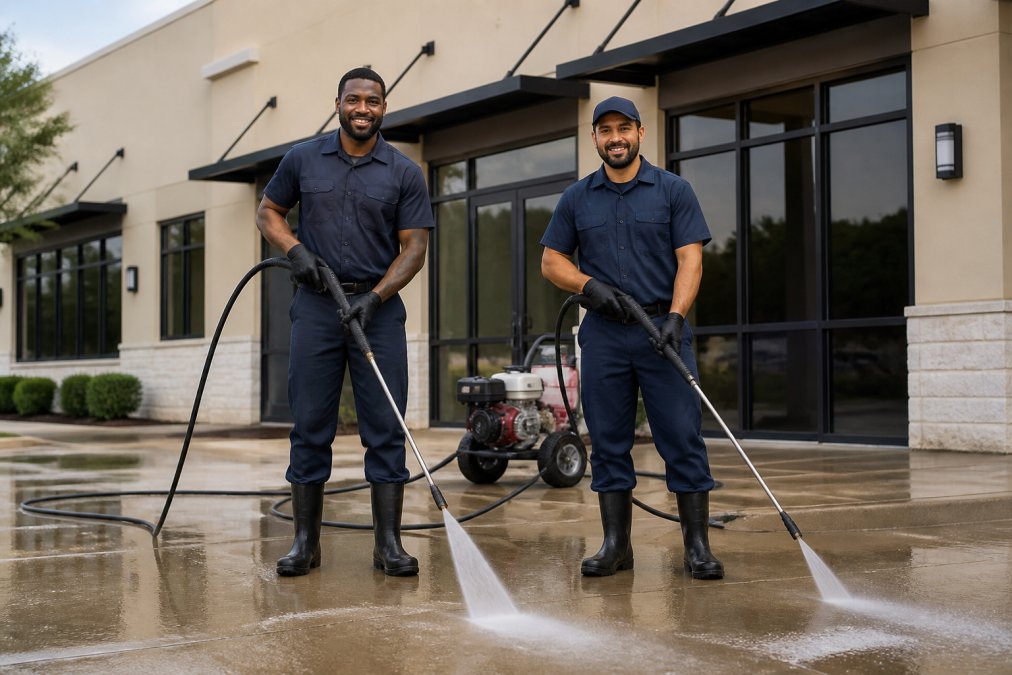
 comparison
Pressure Washing vs Power Washing: Key Differences
Table of Contents
- Pressure Washing vs Power Washing: What's the Actual Difference?
- Quick Comparison Table: Pressure Washing vs Power Washing
- The Role of Water Temperature in Cleaning Efficiency
- When to Choose Pressure Washing for Your Property
- When Power Washing Is the Better Option
- Soft Washing vs Pressure Washing: Protecting Delicate Surfaces
- Understanding the Average Cost of Professional Pressure Washing
- How to Choose a Pressure Washing Company You Can Trust
- Frequently Asked Questions
Last Updated: September 9, 2026
Pressure Washing vs Power Washing: What's the Actual Difference?
Many homeowners use the terms interchangeably, but understanding the pressure washing vs power washing differences matters more than you might think. The core distinction is simple: power washing uses heated water while pressure washing relies on cold water at high force. That single difference determines which surfaces you can safely clean and how effectively you remove certain types of grime.
Below, we'll break down exactly when to choose each approach and how to protect your property from damage. We'll also explain why soft washing is often the safer choice for delicate materials like roof shingles.
Pressure washing uses a high-pressure stream of cold water to blast away dirt, grime, and loose debris. Power washing does the same thing but adds heated water, which helps break down oils, grease, and biological growth more effectively, though it introduces risks on certain surfaces.
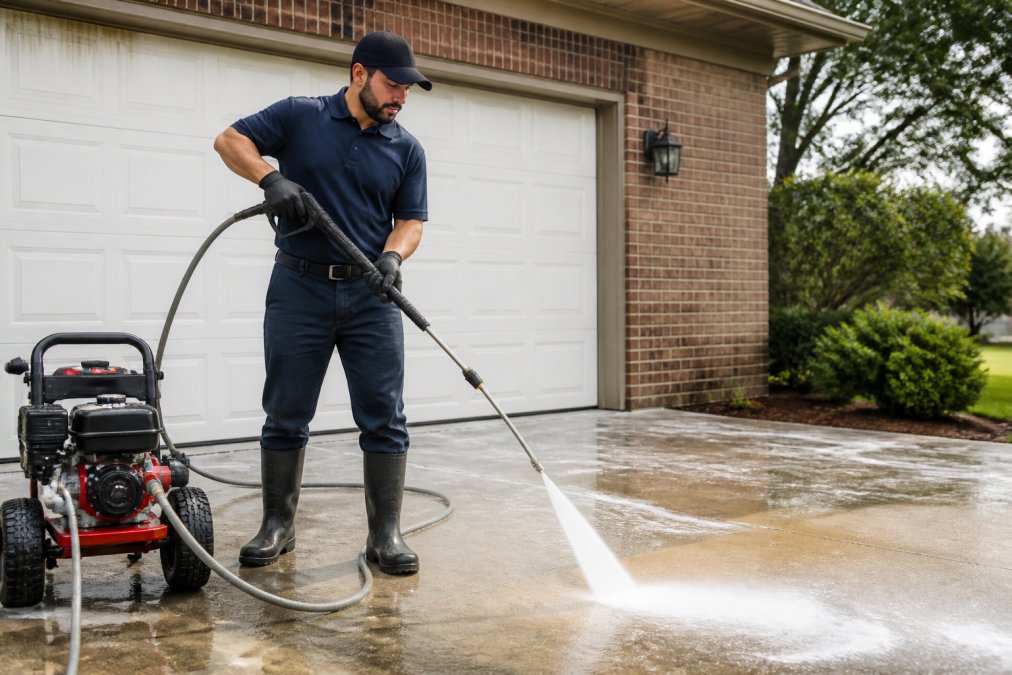
Quick Comparison Table: Pressure Washing vs Power Washing
The table below summarizes the key differences so you can match the right method to your cleaning job.
| Factor | Pressure Washing | Power Washing |
|---|---|---|
| Water Temperature | Cold | Heated |
| Best For | Concrete, brick, siding | Oil stains, grease, heavy grime |
| Primary Mechanism | Force of water | Heat plus force |
| Risk to Surfaces | Moderate | Higher if misused |
| Equipment | Standard unit | Heated unit, higher cost |
| Typical Use | Residential cleaning | Commercial and industrial |
The choice often comes down to what you're cleaning. Concrete driveways with oil stains respond better to heat. Delicate surfaces like wood decks or roof shingles need gentler approaches entirely.
The Role of Water Temperature in Cleaning Efficiency
Water temperature plays a bigger role than most people realize. Cold water at high pressure dislodges dirt but struggles with substances that bond to surfaces, such as oil, grease, and tree sap. Heated water breaks down those bonds chemically, making cleaning more effective with less physical force.
This is why commercial settings, like parking lots and storefronts, typically rely on power washing, grease buildup from vehicles and foot traffic needs thermal cleaning to lift properly, and cold water often means multiple passes and incomplete results.
However, heat introduces a risk called thermal shock. Rapid temperature changes can crack certain materials, particularly older concrete and some types of tile. Professional contractors account for this by adjusting pressure and temperature based on the surface, which is why DIY attempts often end in damage. According to the American Cleaning Institute's guidance on exterior cleaning, matching water temperature to surface type is essential for preventing structural damage.
When to Choose Pressure Washing for Your Property
Pressure washing is the default choice for most residential exterior cleaning, but the key is matching the PSI (pounds per square inch) to the surface. Most consumer-grade electric units deliver between 1,300 and 2,000 PSI, while gas-powered professional units range from 2,500 to 4,000 PSI, the gap between those numbers is where most DIY damage occurs (the CDC).
Here is a practical surface-by-surface breakdown of what cold water at the right pressure can handle:
- Concrete driveways and sidewalks (2,500-3,000 PSI): Cold water at this range removes embedded dirt, mildew, and light oil residue. For heavy oil stains that have soaked in, cold water alone will not lift them, that requires heat or a chemical degreaser. If you see dark, blotchy stains after a pass, stop increasing pressure and switch methods.
- Brick and masonry (1,500-2,000 PSI): Brick is durable but the mortar between bricks is not. A narrow fan tip at high pressure can blast out mortar joints, leading to structural issues. Use a wider spray angle (40 degrees or more) and keep the wand moving. Most practitioners recommend testing an inconspicuous corner first.
- Vinyl siding (1,200-1,500 PSI): Cold water at moderate pressure removes dirt and mildew effectively. The risk here is not the siding itself but the seals around windows and doors. Angling the spray upward can force water behind the siding panels, leading to trapped moisture and mold growth inside the wall cavity. Spray at a downward angle and keep the nozzle at least 12 inches from the surface.
- Wood fences and decks (500-800 PSI): This is the most misunderstood surface. Standard pressure washing at 2,000 PSI will gouge softwoods like cedar and pine, leaving permanent furrows that accelerate weathering. If you are using a pressure washer on wood, you need a low-pressure tip and a wide fan pattern. Even then, the safer route is soft washing or hand scrubbing with a deck brush.
- Composite decking (under 1,500 PSI): Composite boards resist rot but they scratch easily. High pressure forces water into the seams and can lift the protective cap layer. Most composite manufacturers, including Trex and TimberTech, explicitly warn against pressure washing above 1,500 PSI in their care guides. Check your warranty before you start.
A common pattern among DIY failures is cranking the machine to maximum output because the dirt is not coming off, that approach etches concrete, strips paint, and ruins wood grain. The correct response to stubborn grime is not more pressure but a cleaning agent or heated water.
Another factor competitors rarely mention is the environmental impact of what you are washing away. Runoff carries oil, tire residue, and chemical cleaners into storm drains, which flow untreated into local waterways. Homeowners using detergents should look for biodegradable, phosphate-free formulas and avoid cleaning near flower beds or vegetable gardens.
For routine annual maintenance, pressure washing handles the vast majority of residential jobs safely. If the surface is hard, non-porous, and not painted, cold water at moderate pressure is likely fine; if it is wood, composite, or coated with anything protective, step down to soft washing or hire a professional.
When Power Washing Is the Better Option
Power washing earns its keep on surfaces where cold water simply won't cut it. Oil-stained garage floors, grease-covered commercial lots, and heavily soiled concrete benefit from heat and pressure, as heated water breaks down petroleum-based residues that resist cold water cleaning.
Commercial property managers often choose power washing for storefronts and parking lots because these areas accumulate grease, chewing gum, and other stubborn contaminants. A single pass with heated water typically outperforms multiple passes with cold water, saving time and reducing water usage.
That said, power washing demands more skill. The added heat increases the risk of surface damage if the operator lingers too long in one spot. Wood surfaces are particularly vulnerable, as hot water can warp or split boards. For this reason, most experts recommend hiring a professional contractor for power washing rather than attempting it with rented equipment. The Occupational Safety and Health Administration's guidelines on high-pressure water cleaning note that heated cleaning equipment requires proper training to operate safely.
Soft Washing vs Pressure Washing: Protecting Delicate Surfaces
Soft washing is a low-pressure cleaning method that relies on biodegradable detergents rather than force. It's the preferred approach for roof cleaning, particularly for black streaks caused by algae and mold on asphalt shingles, since high-pressure washing can blast away protective granules, accelerating wear and voiding your roof warranty.
The soft washing vs pressure washing decision comes down to surface vulnerability. Soft washing uses specialized nozzles and spray patterns that distribute cleaning agents gently, allowing chemicals to kill organic growth at the root, producing longer-lasting results because it eliminates biological material rather than just rinsing away visible stains.
For homeowners concerned about algae returning within months, soft washing typically provides more durable outcomes. The chemical application also reaches porous surfaces where high-pressure water simply bounces off. Many professional services, including A2Z Wash Pros, use soft washing for roofs and delicate siding while reserving pressure washing for durable surfaces like driveways and patios.
Understanding the Average Cost of Professional Pressure Washing
Pricing for professional exterior cleaning varies widely, but homeowners need a realistic framework to evaluate quotes. Factors like driveway length, number of stories, and the presence of oil stains will influence the price. It is best to request free quotes from several local providers to compare pricing and ensure you are getting a fair rate for the specific scope of work.
When comparing quotes, be wary of prices that seem significantly lower than others. Inexperienced operators often cut corners by using excessive pressure, which can cause the very damage you are trying to fix. A quote that seems significantly below the market range should trigger questions about insurance coverage, equipment condition, and whether the provider plans to use appropriate methods for each surface.
How to Choose a Pressure Washing Company You Can Trust
Selecting the right company protects both your property and your investment. Start by confirming the provider has experience with your specific surface types. A contractor who specializes in commercial lots may not understand the nuances of residential roof cleaning.
Ask for references or photos from recent jobs in your area. Inquire about their equipment, specifically whether they offer both pressure washing and soft washing options. A provider with only one method available may push that method even when it's not ideal for your surfaces.
Professional companies carry insurance to cover any accidental damage. Request proof of coverage before work begins. Clear communication about scheduling and arrival windows also matters, particularly for homeowners who need to coordinate work schedules.
For property owners in Houston, Katy, and Hitchcock, A2Z Wash Pros combines residential pressure washing with commercial power washing capabilities. Our team handles everything from driveway restoration to storefront cleaning, using professional-grade equipment and appropriate methods for each surface, and we provide free quotes.
Choosing between pressure washing and power washing ultimately depends on your surface type, the nature of the grime, and your tolerance for risk. Cold water handles most residential jobs safely, while heated water tackles grease and heavy buildup in commercial settings. For delicate surfaces like roofs and wood decks, soft washing offers the safest path to lasting results.
Frequently Asked Questions
What is the primary difference between pressure washing and power washing?
The primary difference is water temperature. Pressure washing uses unheated water at high PSI (pounds per square inch) to blast away dirt and grime. Power washing uses heated water, often up to 200°F or more. The hot water in power washing acts as a thermal cleaning agent, breaking down grease, oil, and stubborn stains more effectively than cold water alone. This makes power washing ideal for commercial settings, while pressure washing is often sufficient for routine residential cleaning like driveways and siding.
Is power washing safe for residential siding?
Power washing can be safe for certain types of residential siding, like vinyl or brick, but it requires careful technique and the right nozzle tips. The combination of high heat and high pressure can damage softer materials like wood, causing etching or splintering. For delicate surfaces such as wood siding, stucco, or roofs, soft washing is the safer alternative. A professional can assess your siding material and adjust the pressure and temperature to clean effectively without causing surface damage.
Can high-pressure cleaning damage concrete surfaces?
Yes, high-pressure cleaning can damage concrete if not done correctly. Using a nozzle tip that is too narrow or holding the wand too close to the surface can etch the concrete, leaving permanent marks and rough spots. This is a common issue when homeowners rent equipment without proper training. A PSI that is too high for the surface can strip away the top layer of the concrete. Professionals use the correct pressure regulation and spray pattern to clean oil stains and grime safely.
What surfaces are best suited for soft washing?
Soft washing is best for delicate surfaces that cannot withstand the force of pressure or power washing. This includes asphalt shingle roofs, wood siding, stucco, and older painted surfaces. Instead of high pressure, soft washing relies on specialized cleaning solutions and low-pressure spray to kill mold and mildew at the root. It is highly effective for removing black streaks on roofs and algae from siding without risking damage to the material, making it a critical technique for home maintenance.
How much should professional pressure washing cost on average?
The average cost of professional pressure washing varies based on the size of your home, the surfaces being cleaned, and your location. Rather than a fixed rate, most companies provide a project-based quote after assessing the job. Factors like driveway length, number of stories, and the presence of oil stains will influence the price. It is best to request free quotes from several local providers to compare pricing and ensure you are getting a fair rate for the specific scope of work.