 ultimate-guide
Wood Deck Cleaning: Professional Guide & Best Practices
Table of Contents
- Why Professional Wood Deck Cleaning Matters
- Pressure Washing vs. Soft Washing for Wood Decks
- Wood Deck Pressure Washing Cost and Budget Planning
- Deck Maintenance Tips for Long-Term Protection
- Deck Staining Services and Wood Restoration
- Seasonal Maintenance Schedules and Climate Considerations
- DIY vs. Professional Cleaning: Safety and Results
- Conclusion
- Frequently Asked Questions
Last Updated: September 26, 2026
Why Professional Wood Deck Cleaning Matters
Your deck faces relentless exposure to humidity, algae, mold, and UV damage. What looks like harmless surface grime is actually a deteriorating finish that costs you thousands in premature restoration. Professional wood deck cleaning isn't a luxury, it's maintenance that protects your investment.
Homeowners who delay cleaning face exponential repair costs.
Wood decks in humid climates develop black streaks and dark patches within months. These aren't just cosmetic. Mold and mildew penetrate wood fibers, accelerating rot and wood grain degradation. Regular professional wood deck cleaning removes these contaminants before they compromise structural integrity. The result is a deck that lasts 10-15 years instead of 5-7.
A single season of neglect sets the stage for permanent damage. Professional-grade equipment and expertise make the difference between surface cleaning and genuine restoration.
Pressure Washing vs. Soft Washing for Wood Decks
The choice between pressure washing and soft washing determines results. It's about matching the method to your wood type and condition.
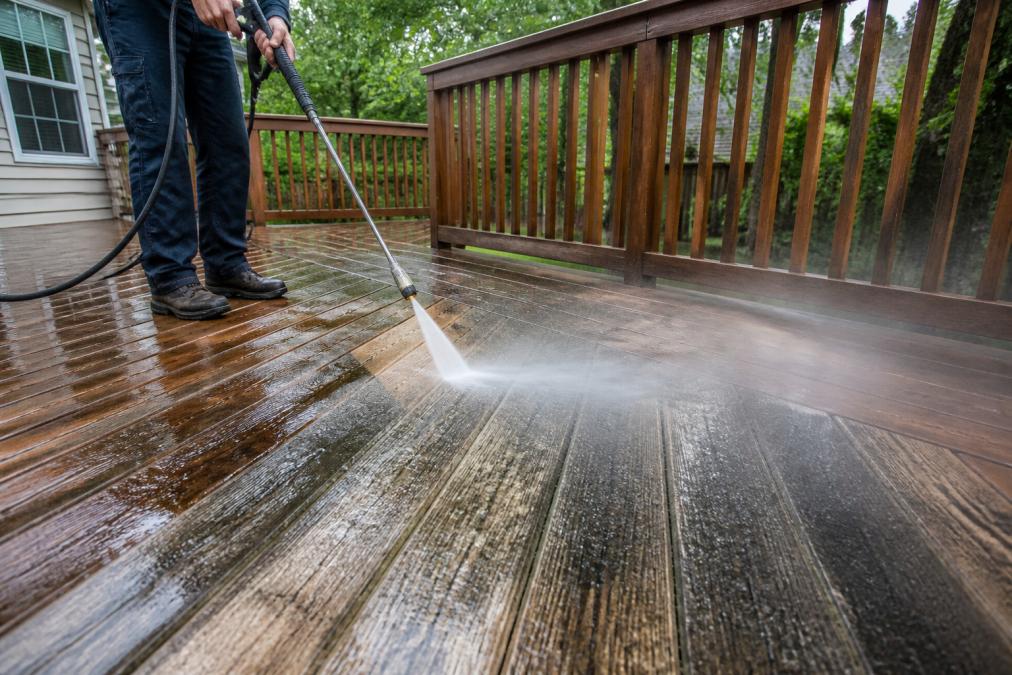
Pressure washing uses high-velocity water jets to strip dirt, algae, and weathered material. It's effective on composite decking but can gouge grain, splinter fibers, and etch untreated or aging wood like pine and cedar. Incorrect application leaves permanent damage.
Soft washing applies specialized detergents at low pressure, allowing chemicals to break down mold and mildew. The wood surface remains undamaged because cleaning power comes from chemistry, not force. It is a safe choice for older wood and premium woods.
The critical question: How old is your deck, and what's the wood type? Cedar and redwood demand soft washing. Composite decking can handle pressure washing. Pressure-treated lumber falls in the middle. A2Z Wash Pros assesses your specific situation and recommends the method that delivers results without hidden damage.
Pressure washing can be faster, but gouged wood requires sanding, staining, and sealing. Soft washing can eliminate repair costs.
Wood Deck Pressure Washing Cost and Budget Planning
Wood deck pressure washing cost depends on deck size, condition, wood type, and accessibility. A2Z Wash Pros provides free quotes reflecting your specific situation across Houston, Katy, and surrounding areas.
Deck size, condition severity, wood type, and accessibility all affect pricing. Heavy mold requires extended detergent application and costs more than light dirt. Premium hardwoods cost more to clean than composite decking.
Request detailed quotes. Avoid unusually low quotes, they often reflect shortcuts. Professional wood deck cleaning includes proper surface assessment, appropriate method selection, and post-cleaning protection.
Budget for annual maintenance cleaning.
Deck Maintenance Tips for Long-Term Protection
Once your deck is professionally cleaned, maintenance determines whether results last months or years. The right routine prevents rapid reaccumulation of mold, mildew, and surface damage while protecting wood against the region's intense humidity and UV exposure.
Sealant Selection and Application
Sealant is the primary defense against moisture penetration and UV damage. There are three main sealant categories, each suited to different situations:
Water Management and Drainage
Water is wood's primary enemy. Ensure gutters and downspouts direct water away from deck surfaces. Standing water accelerates mold growth, wood rot, and fastener corrosion. If your deck has low spots where water pools, address drainage before the next cleaning cycle. Options include:
- Installing or adjusting downspout extensions to direct water 4-6 feet away from the deck
- Adding a slight slope to the deck surface during repairs (typically ¼ inch per foot)
- Installing deck drainage systems under the deck to channel water away from the structure
- Clearing debris from deck surface and gutters monthly to prevent water backup
Monthly Inspection Protocol
Inspect monthly for standing water, dark patches (mold), soft spots (rot), loose fasteners, cracked boards, and debris. Address problems immediately, a soft board caught early costs $50-$150 to replace; ignored rot can compromise structural integrity and cost thousands.
Debris Removal and Air Circulation
Remove leaves and branches immediately, they trap moisture and accelerate decay. Move furniture and planters monthly to allow air circulation and prevent mold formation underneath.
Fastener Maintenance
Inspect fasteners quarterly and tighten loose ones. Replace corroded fasteners with stainless steel or hot-dipped galvanized fasteners rated for exterior use, corroded fasteners can fail suddenly under load.
Seasonal Stain Reapplication
Reapply stain every 2-3 years depending on sun exposure. Full-sun decks require more frequent reapplication.
Documentation and Scheduling
Maintain a log of cleaning dates, products applied, repairs, and sealant reapplication dates. Set calendar reminders for seasonal tasks. Consistent documentation prevents gaps in protection and extends deck life by 5+ years.
Deck Staining Services and Wood Restoration
Professional deck staining seals wood against moisture and UV exposure. Quality stains penetrate wood fiber and integrate with the wood, creating a finish that weathers gracefully. Transparent stains showcase wood character; semi-transparent stains add color while maintaining grain visibility; solid stains provide uniform coverage with better durability than paint.
Preparation determines stain quality. The deck must be cleaned, sanded, and dried completely before staining. Moisture trapped under stain causes adhesion failure and premature peeling. A2Z Wash Pros handles complete restoration including cleaning, preparation, and staining.
Comprehensive wood restoration combines board replacement, fastener tightening, sanding, and staining. It costs more than cleaning alone but extends deck life by years.
Seasonal Maintenance Schedules and Climate Considerations
Your region's high humidity, intense heat, and seasonal rainfall require a unique maintenance calendar. Understanding when to clean, seal, and inspect prevents costly damage cycles.
Spring (March-May): Post-Winter Assessment and Cleaning
Winter moisture and spring pollen create ideal conditions for mold and mildew proliferation. Schedule professional cleaning in late March or early April, before humidity peaks. At this stage, soft washing is typically sufficient, winter hasn't caused deep structural damage, and detergent-based cleaning removes surface growth without aggressive pressure that could damage wood fibers weakened by moisture exposure.
After spring cleaning, inspect for winter damage: cracked boards, loose fasteners, and areas where ice or standing water caused swelling. Address structural issues before applying fresh sealant. This is the optimal time for minor repairs and board replacement, as wood dries quickly in spring warmth.
Apply or reapply deck sealant in late April or early May, after the deck has dried completely (typically 48-72 hours post-cleaning). Spring application allows the sealant to cure before summer UV exposure intensifies. Choose a sealant with UV inhibitors rated for high-heat climates, look for products formulated to resist fading and degradation under intense sun exposure.
Summer (June-August): UV Protection and Preventive Maintenance
Summer heat accelerates stain and sealant breakdown. UV rays degrade protective coatings faster than any other season. Inspect your deck monthly for signs of sealant failure: water beading that disappears, darkening wood color, or loss of sheen. These indicate the protective barrier is compromised.
During summer, focus on water management. Ensure gutters and downspouts direct runoff away from the deck. Standing water from afternoon thunderstorms creates mold hotspots within days. If pooling occurs, address drainage immediately, this is more critical in summer than any other season due to rapid mold growth in heat and humidity.
Clean debris weekly during summer. Pollen, leaves, and organic matter decompose quickly in heat, creating acidic residue that etches wood. Weekly sweeping prevents this accumulation and maintains air circulation, which slows mold formation.
Avoid pressure washing during summer. High temperatures combined with pressure washing can cause wood to warp or crack.
Fall (September-November): Leaf Management and Pre-Winter Preparation
Winter (December-February): Moisture Management and Minimal Intervention
Annual Maintenance Calendar Summary
- March-April: Professional soft-wash cleaning; structural inspection; minor repairs; apply UV-protective sealant
- May-August: Monthly debris removal; weekly sweeping; water management; monthly sealant inspection
- September-October: Professional cleaning; fall staining (if needed); structural inspection; leaf management begins
- November-February: Ongoing leaf removal; drainage maintenance; winter damage monitoring; avoid pressure washing
DIY vs. Professional Cleaning: Safety and Results
DIY pressure washing introduces serious safety risks: eye damage from ricocheting debris, foot injuries from high-pressure water, and back strain. Professional operators have safety training and proper protective equipment.
Conclusion
Your deck is one of your home's most visible assets, and its condition affects both curb appeal and property value. Professional wood deck cleaning removes years of accumulated damage before it becomes permanent. A2Z Wash Pros delivers expert cleaning for driveways, roofs, and decks across Houston, Katy, and Galveston County using professional-grade equipment and proven techniques. Get started with a free quote today and discover how professional service restores your outdoor living space.
| Method | Best For | Key Advantage | Primary Consideration |
|---|---|---|---|
| Pressure Washing | Composite decks, heavy soiling | Fast, aggressive cleaning | Risk of wood damage if misapplied |
| Soft Washing | Wood decks, premium finishes | Protects wood integrity | Longer drying time required |
| Professional Restoration | Damaged decks, full renewal | Complete solution with repairs | Higher upfront cost |
| DIY Cleaning | Light maintenance only | Lower cost | Safety risks, inconsistent results |
Frequently Asked Questions
How often should you clean and seal a wood deck?
Wood decks benefit from professional cleaning every 12-18 months, depending on climate and weather exposure. In humid climates with frequent rain and algae growth, annual cleaning may be necessary. After cleaning, apply a fresh coat of sealant every 2-3 years to protect against UV damage, moisture penetration, and weathering. Regular maintenance extends your deck's lifespan significantly and keeps it looking new.
Is it okay to pressure wash a wood deck?
Pressure washing wood decks requires proper technique and equipment settings. Standard high-pressure washing can damage wood grain, create etching marks, and strip protective finishes. Soft washing, using lower pressure with specialized detergents, is safer for most wood types like cedar, redwood, and pine. Professional cleaners adjust pressure based on wood type and existing stain condition. Always hire experienced professionals to avoid costly surface damage.
What is the best way to clean a dirty wood deck?
The best approach combines soft washing with wood-safe detergents, followed by thorough rinsing and proper drying. Professional cleaners assess wood type, existing finish, and stain condition before selecting the appropriate cleaning method. For mold and mildew removal, specialized treatments break down organic growth without harming the wood. After cleaning, allow proper drying time before applying sealant or stain to ensure maximum protection and longevity.
What are the benefits of hiring professional deck cleaners?
Professional deck cleaners bring expertise in wood restoration, proper pressure settings, and eco-friendly cleaning solutions that protect your investment. They identify damage early, prevent costly repairs, and restore curb appeal for property value. Professionals complete the job faster and safer than DIY attempts, avoid equipment damage or injury risks, and apply post-cleaning protection treatments. Expert service ensures your deck looks restored and protected for years.